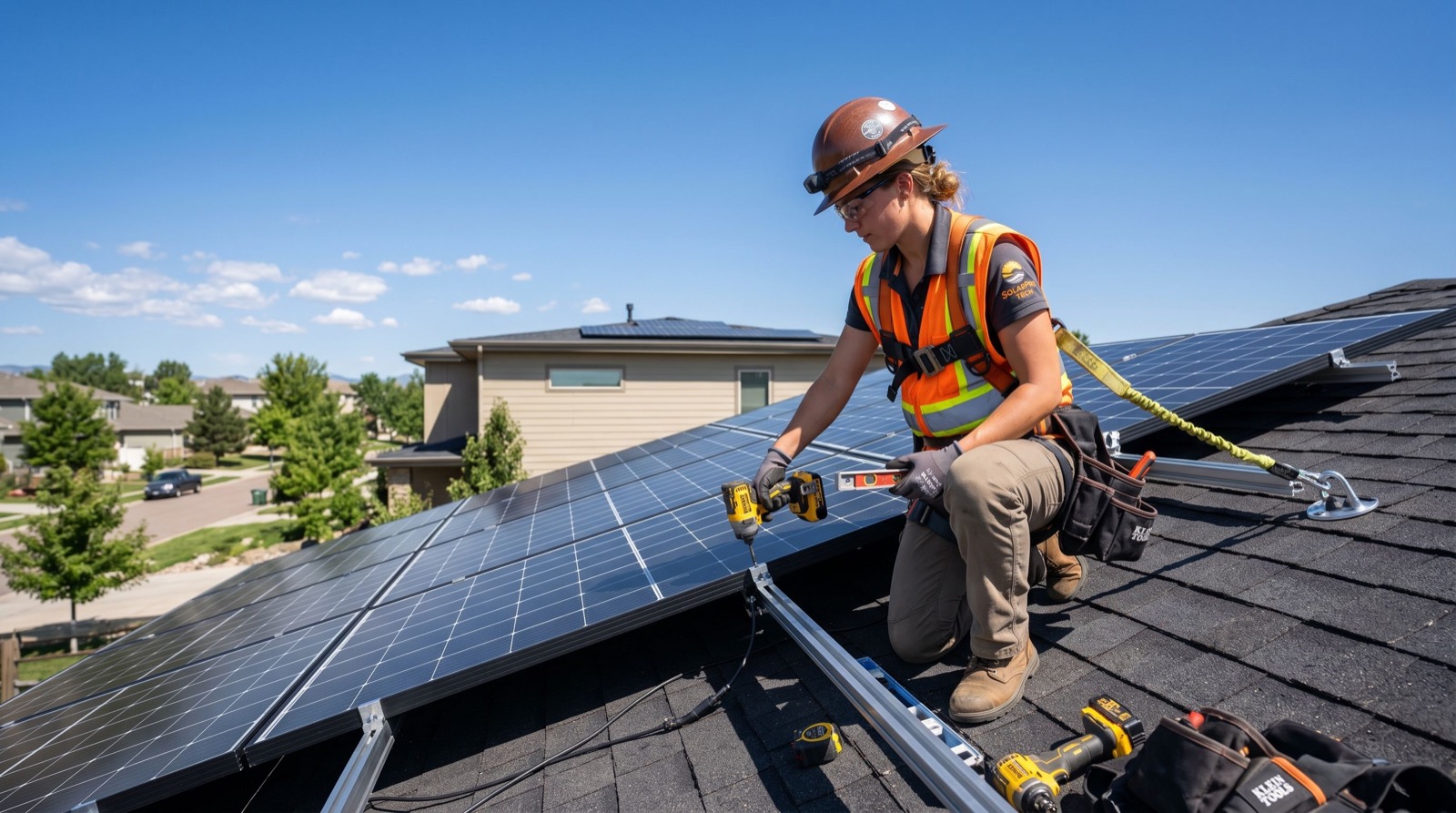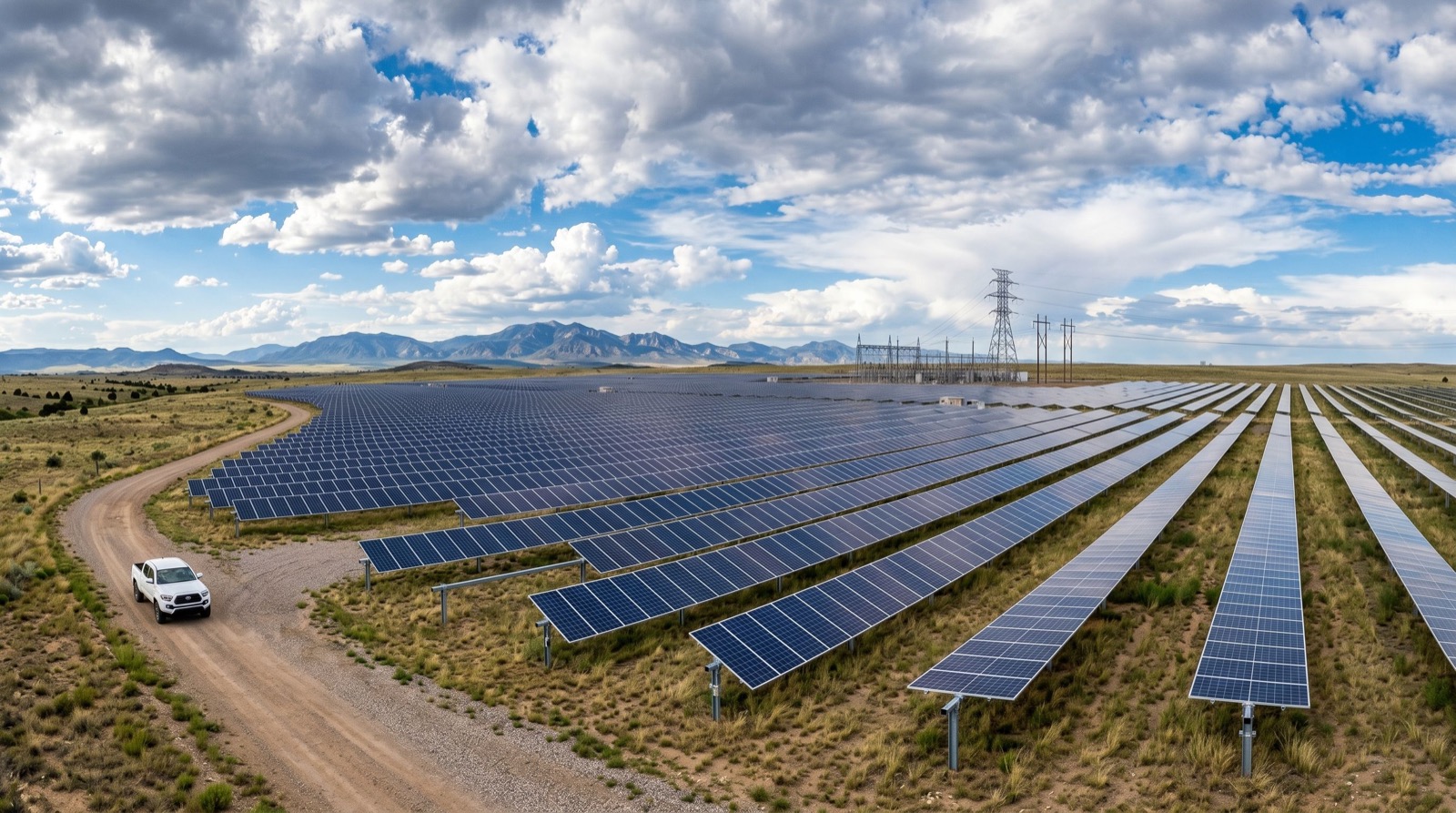
The twin cities have quietly become one of Pakistan’s busiest rooftop-solar markets, and a smooth solar installation in Rawalpindi in 2026 comes down to logistics as much as hardware. Permits, housing-society rules, meter upgrades, and seasonal weather all shape how quickly you go from signed contract to powered-on system.
This guide is a practical, step-by-step look at getting solar installed across Rawalpindi and Islamabad without the delays that catch unprepared homeowners. We cover the approval trail with IESCO, society and building rules, the survey process, and the best time of year to schedule your install.
The approval trail for a solar installation in Rawalpindi
Going solar in the twin cities involves more paperwork than most people expect, but each step is manageable when you know the order. The single biggest cause of delay is applying for net metering before the hardware and meter are ready.
- Complete a rooftop survey and finalise your system design.
- Confirm your connection type; net metering usually needs a three-phase supply for larger loads.
- Install a compliant hybrid inverter and tier-1 panels.
- Apply to IESCO for a bidirectional meter and net-metering agreement.
- Pass inspection, get the meter swapped, and begin exporting.
Because IESCO processes many of these applications, working with an installer who files them weekly speeds things up dramatically. Firms experienced with solar installation in Rawalpindi know exactly which documents IESCO expects and how to avoid a rejected application.
Housing-society and building rules you can’t ignore
Islamabad and Rawalpindi are full of planned societies, and many have their own rules about rooftop equipment. A DHA, Bahria, or CDA-sector home may need society sign-off before panels go up, especially where aesthetics or shared roofs are involved.
- Roof rights — confirm you own or control the rooftop before ordering hardware.
- Society NOC — some societies require a no-objection certificate for visible installs.
- Structural clearance — older roofs may need a load check before mounting frames.
- Cable routing — apartments and shared buildings need agreed conduit paths.
What official standards apply to net metering?
Net metering across Pakistan is governed by federal regulations rather than city bylaws. The rules for distributed generation, meter specifications, and buyback are published by the national regulator, NEPRA, and IESCO implements them locally. Reviewing the current framework before you apply helps you size the system within the domestic connection limits.
Timing your install around twin-cities weather
Weather affects both installation and generation. Islamabad and Rawalpindi get a genuine monsoon, cool winters, and dusty spring winds, so timing your project sensibly avoids delays and disappointment.
| Season | Install conditions | Generation notes |
|---|---|---|
| Spring (Mar–May) | Good; watch dust storms | Strong, rising output |
| Summer (Jun–Aug) | Hot; monsoon can pause work | High but cloud-interrupted |
| Autumn (Sep–Nov) | Ideal; clear and mild | Excellent, stable yield |
| Winter (Dec–Feb) | Good; short daylight | Lower hours, cool-clear boost |
Autumn is often the sweet spot: mild weather for crews, clear skies for commissioning, and strong generation right after switch-on. Booking a survey a few weeks ahead secures a good slot before the seasonal rush.
Your pre-installation checklist
A little preparation prevents most delays. Walk through this checklist before your installer arrives so the physical work runs in a single, clean visit.
- Gather three recent electricity bills for accurate sizing.
- Confirm your connection phase and sanctioned load with IESCO.
- Secure any society NOC or building permission needed.
- Clear the rooftop of clutter and identify shade-free zones.
- Decide battery capacity based on your essential backup loads.
Cross-city experience is a genuine advantage here. An installer who also handles projects like a solar company in Islamabad will already understand CDA-sector requirements and twin-cities logistics. If you are still comparing firms, this overview of trusted professionals is a useful reference for the standards to expect.
Sizing and backup for twin-cities homes
Homes here run heavy summer cooling and winter heating, so sizing must reflect both peaks. A typical family home lands on a 5–8 kW array, paired with a lithium battery sized to carry essential loads through the outages that still hit both cities in 2026.
Get the survey right and your system will comfortably cover most annual usage while giving you silent, reliable backup. Oversizing wastes money; undersizing leaves you buying grid power at peak tariffs. A careful load study is the difference between a good system and a great one.
Keeping your system healthy after installation
Installation is the start, not the finish. Twin-cities rooftops collect a surprising amount of dust and pollen, and a dirty panel quietly loses output every week it goes uncleaned. A little routine care protects the return you worked to secure.
Modern systems make monitoring easy. Most 2026 hybrid inverters ship with an app that shows live generation, battery state, and grid import in real time. Check it weekly so you catch a shaded string, a tripped breaker, or a failing connection long before it dents your savings.
- Rinse the panels every few weeks, more often after dust storms or monsoon grime.
- Watch the app for sudden output drops that signal shading or a fault.
- Keep the roof clear — trim any branch or antenna that starts to cast shade.
- Book an annual check so a technician can inspect wiring, mounts, and earthing.
Good installers include a maintenance visit in the first year and offer an affordable service plan afterward. Ask about this before you sign; ongoing support is what separates a system that thrives from one that slowly underperforms.
Frequently Asked Questions
How long does net-metering approval take in Rawalpindi?
Once your hardware is installed and the application is complete, IESCO approval and the bidirectional meter swap typically take a few weeks. Filing accurate paperwork the first time is the best way to avoid delays.
Do I need a society NOC for rooftop solar?
It depends on your society. Many DHA, Bahria, and CDA-sector communities require a no-objection certificate for visible rooftop equipment. Check with your society office before ordering hardware.
When is the best time to install solar in the twin cities?
Autumn offers mild install weather and clear commissioning skies, but any season works. Just plan around the summer monsoon, which can pause outdoor work for a day or two.
Can apartments in Islamabad go solar?
Sometimes, with building consent and agreed roof access. Shared rooftops need a clear allocation and cable-routing plan, so involve the building management early in the process.
Conclusion
A successful solar installation in Rawalpindi or Islamabad in 2026 is really a project-management exercise: line up your IESCO paperwork, secure society approvals, size the system to your real load, and schedule around the weather. Partner with an installer who knows twin-cities logistics inside out, and you will go from contract to clean power with minimal friction. Ready to start? Book a free twin-cities rooftop survey and get a tailored quote today.