Solar Inverters in Pakistan 2026: How to Choose the Right One
Choosing among the many solar inverters in Pakistan can feel overwhelming, yet it is the single most important decision in any solar setup. The inverter is the brain of your system. It converts DC power from panels into usable AC, manages your battery, and decides how smoothly your home rides through outages. Pick well and everything runs quietly for years. Pick poorly and you chase faults and wasted energy.
In 2026 the market offers hybrid, off-grid, and grid-tie models at every price point. This guide explains the differences, the sizing math, and the features that genuinely matter so you buy once and buy right.
Why Solar Inverters in Pakistan Deserve Careful Attention
An inverter shapes efficiency, safety, and comfort. A weak unit clips power on hot afternoons, hums under load, and struggles with motor-heavy appliances. A strong one delivers clean, stable output and protects your batteries from deep damage.
Reliability matters even more given local grid conditions. The national regulator, NEPRA, continues to report tariff pressure and supply gaps, which pushes households toward self-generation. A quality inverter turns your panels into a dependable backbone rather than a fair-weather gadget.
Because the inverter ties every component together, buy from a source with real support. A curated range of solar inverters in Pakistan with clear ratings makes side-by-side comparison far easier.
Hybrid, Off-Grid, or Grid-Tie: What Do You Need?
Three main types dominate the market, and each suits a different goal. Understanding them prevents an expensive mismatch.
| Type | Battery Support | Best For | Grid Export |
|---|---|---|---|
| Hybrid | Yes | Homes wanting backup + savings | Often yes |
| Off-Grid | Yes (required) | Remote sites, no reliable grid | No |
| Grid-Tie | No | Bill reduction only | Yes (net metering) |
Most Pakistani homes now favour hybrid inverters. They store surplus solar in batteries, run appliances during outages, and can still export under net metering. That flexibility explains their popularity in 2026.
How Do You Size a Solar Inverter Correctly?
Sizing balances your peak load against your panel array. Get it right and the system runs cool and efficient. Follow these steps:
- Total the wattage of appliances you may run at once.
- Add a safety margin for surge loads like pumps and compressors.
- Match the inverter’s continuous rating to that figure.
- Confirm the inverter can handle your planned panel array size.
- Check battery voltage compatibility if you want storage.
For instance, a home drawing about 4kW at peak should choose a 5kW inverter to absorb surges comfortably. Undersizing forces the unit into constant overload, which shortens its life quickly.
Key Features Worth Paying For
Not every specification carries equal weight. Prioritise the ones that affect daily performance and long-term reliability.
- Pure sine wave output: protects sensitive electronics and motors.
- High MPPT efficiency: harvests more from your panels in low light.
- Wide input voltage range: keeps output stable during grid swings.
- Fast transfer time: switches to battery with no visible flicker.
- Smart monitoring: tracks production and faults from your phone.
Pair the inverter with matched panels for best results. Comparing current solar panels price in Pakistan helps you balance array size against inverter capacity without overspending.
Installation and After-Sales Support
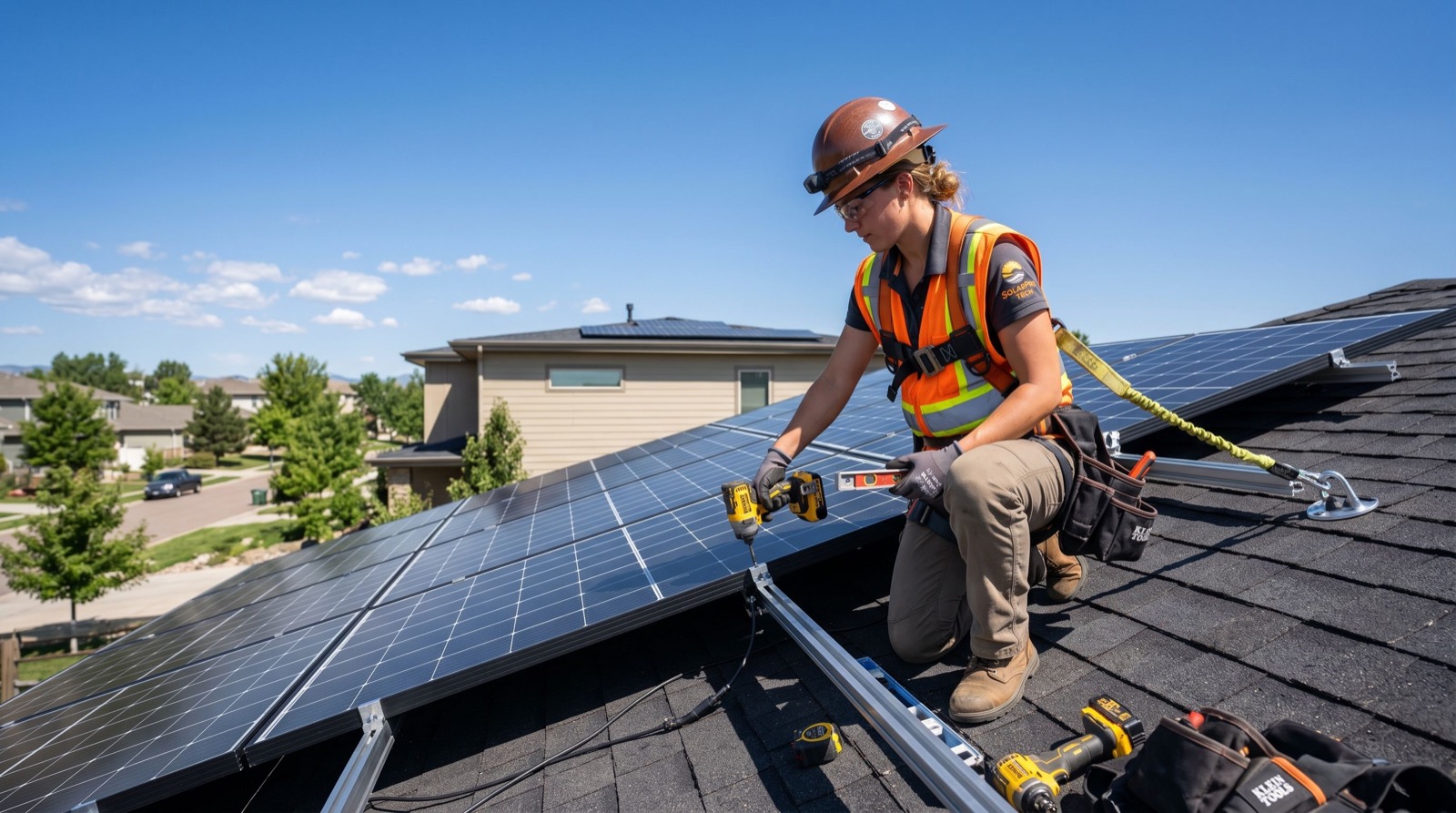
Even the best inverter underperforms with a sloppy install. Cable sizing, earthing, ventilation, and firmware setup all affect output and safety. So treat installation as part of the product, not an afterthought.
Choose quality service providers who commission the system properly and stand behind it. You can review how these quality service providers document a clean setup process as a useful reference for what good workmanship looks like. Insist on written warranties and responsive local support before you sign.
Are Solar Inverters a Smart Buy in 2026?
For most households, absolutely. Rising tariffs, wider net metering, and cheaper hybrid units make the payback window shorter than ever. Global bodies like the International Renewable Energy Agency report steady cost declines across solar hardware, and that trend reaches local shelves.
Buy when you have sized the load, chosen the right type, and secured proper installation. Do that and your inverter becomes a quiet, money-saving workhorse for a decade or more.
Common Inverter Mistakes to Avoid
Even careful buyers slip up. Watching for these frequent errors saves money and frustration down the line:
- Buying purely on price and ignoring MPPT efficiency or surge rating.
- Undersizing the unit, then overloading it with motor-heavy appliances.
- Skipping ventilation, which forces the inverter to throttle in summer heat.
- Ignoring battery voltage compatibility when planning storage.
- Overlooking after-sales support and firmware update availability.
Each of these is avoidable with a short planning conversation. A good supplier walks you through sizing and compatibility before you commit, so the system works from day one.
Understanding Efficiency and Real-World Output
Datasheet numbers rarely match rooftop reality. Temperature, shading, cable length, and panel orientation all shave off a little output. A quality inverter with strong MPPT tracking recovers much of that loss by squeezing more from weak-light mornings and cloudy afternoons.
Conversion efficiency matters daily. A unit rated near 97% wastes far less than a cheap model that dumps energy as heat. Over a year, that gap adds up to real kilowatt-hours and real savings. So treat efficiency ratings as a running cost, not a vanity figure.
Monitoring closes the loop. With app-based tracking you spot a failing string or a dusty panel quickly, then fix it before it drags down production for weeks. That visibility turns a passive install into a system you actively optimise.
Frequently Asked Questions
Which type of solar inverter is best for a Pakistani home?
Hybrid inverters suit most homes because they combine battery backup, outage support, and net-metering export in one unit, offering the widest flexibility for 2026 conditions.
What size inverter do I need?
Match the continuous rating to your peak load plus a surge margin. A home peaking near 4kW usually needs a 5kW inverter for safe, efficient operation.
Do solar inverters work during load-shedding?
Hybrid and off-grid inverters keep running from stored battery power during outages. Pure grid-tie inverters shut off for safety when the grid drops.
How long do quality solar inverters last?
A well-installed, reputable inverter typically lasts eight to twelve years. Cooling, correct sizing, and stable input voltage all extend its working life.
Final Thoughts and Next Step
Selecting from the wide range of solar inverters in Pakistan comes down to matching type, size, and features to your real needs. Favour pure sine wave output, strong MPPT efficiency, and a fast transfer time, then back it all with professional installation and a solid warranty. Get those pieces right in 2026 and your system delivers clean, reliable power through every outage and tariff hike. Compare models today, request a sizing consultation, and turn your rooftop into a genuine source of energy independence.