
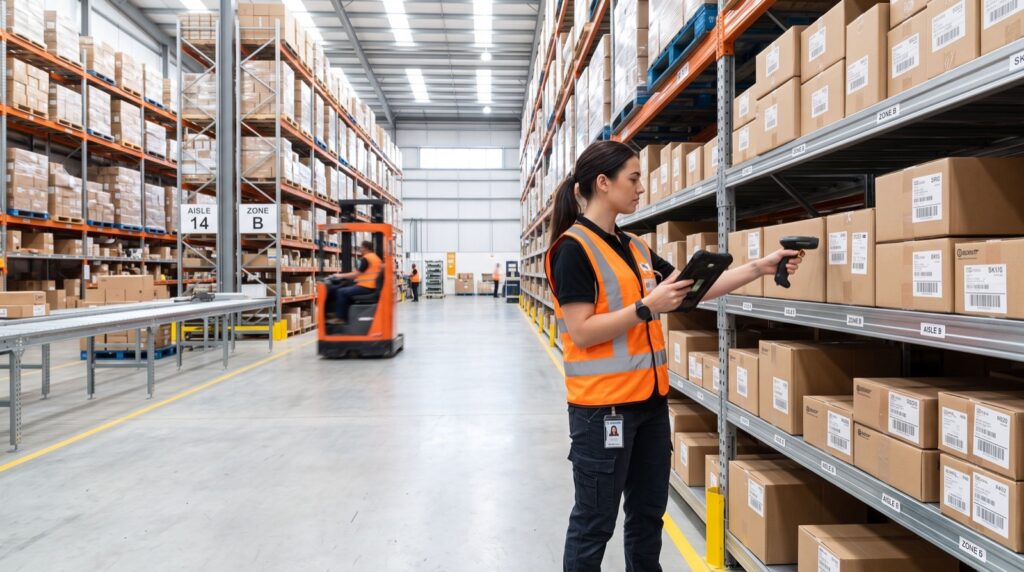
Keeping food and pharmaceuticals safe in the Saudi heat depends on one thing above all: an unbroken cold chain. Temperature-controlled storage in Saudi Arabia gives restaurants, importers, and clinics the reliable chilled and frozen space they need to protect perishable goods around the clock.
In 2026, demand for cold storage is climbing as food imports and quick-commerce grocery brands expand across Riyadh and Dammam. This guide breaks down the difference between chilled and frozen units, the temperatures each product needs, and how to choose a facility you can trust.
Understanding the Cold Chain in Saudi Arabia
The cold chain is the continuous path of temperature control from producer to consumer. A single warm gap can spoil an entire shipment, so consistent storage is critical.
With summer temperatures regularly passing 45 degrees Celsius, the margin for error is small. Professional temperature-controlled units are engineered to hold precise setpoints even during peak load.
Chilled vs Frozen: What Is the Difference?
The two categories serve very different products. Getting the distinction right protects both quality and food safety.
- Chilled storage keeps goods cold but above freezing, ideal for fresh produce and dairy.
- Frozen storage holds products solid at deep-freeze temperatures for long shelf life.
- Ambient storage suits shelf-stable dry goods that need no cooling at all.
Which Products Need Chilled or Frozen Storage?
Matching each product to the correct temperature band is the heart of cold chain management. The table below shows common ranges used across the industry.
| Product | Storage Type | Typical Range |
|---|---|---|
| Fresh vegetables and fruit | Chilled | 2°C to 8°C |
| Dairy and fresh meat | Chilled | 0°C to 4°C |
| Ice cream and frozen meat | Frozen | -18°C or colder |
| Seafood for long storage | Frozen | -25°C or colder |
Importers handling bulk seafood, poultry, or ice cream depend on deep-freeze capacity. Reliable Frozen Storage in Riyadh lets distributors hold large volumes at stable sub-zero temperatures until orders ship out.
For produce, dairy, and ready meals that must stay fresh but not frozen, Chilled Storage in Dammam maintains the tight above-freezing window these goods require.
How to Choose a Reliable Cold Storage Facility
Not all cold storage is equal. A few checks separate a dependable partner from a costly risk.
Temperature Monitoring and Backups
Ask how the facility logs temperatures and whether it uses real-time alerts. Backup generators are essential, because a power cut without redundancy can ruin an entire inventory.
The importance of consistent cold holding is well documented. The Food and Agriculture Organization notes that cold chain gaps are a leading cause of post-harvest food loss worldwide, which makes monitored storage a direct protector of both safety and profit.
Location and Transport Access
A cold store far from your customers adds cost and risk to every delivery. Choose a facility near major routes so refrigerated transport spends less time on the road.
Shorter journeys mean fewer chances for the chain to break. In cities like Riyadh and Dammam, proximity to ring roads keeps perishables moving efficiently to restaurants and retailers.
Hygiene and Compliance
Cold rooms must meet strict cleanliness standards to prevent contamination. Confirm the facility follows recognized food-safety practices and passes regular inspections.
- Request temperature logs from recent months.
- Verify backup power and maintenance schedules.
- Check hygiene certification and pest control records.
- Confirm access hours suit your delivery windows.
Cost and Efficiency Tips for Cold Storage
Refrigerated space costs more than dry storage, so efficiency pays off quickly. A little planning trims your monthly bill.
Group deliveries to reduce door openings, which waste cold air. Rotate stock on a first-in, first-out basis to avoid spoilage and dead inventory. When you need help transporting perishables between sites, an experienced local team can keep goods cold in transit and protect the chain end to end.
Right-Size Your Cold Space
Renting a room that is too large wastes energy cooling empty air. Match unit size to your real average volume, then book temporary overflow only during seasonal peaks.
Ask about shared versus private cold rooms too. Smaller operators can often start with a shared chilled space and graduate to a dedicated unit as demand grows.
Cold Storage Trends Shaping 2026
Saudi Arabia’s food-security goals under Vision 2030 are pushing heavy investment into cold chain infrastructure. That growth is good news for businesses seeking reliable, modern facilities.
Quick-commerce grocery apps now expect same-day delivery of fresh and frozen goods. Meeting that promise depends entirely on well-placed chilled and frozen storage near urban demand.
Smart monitoring is also becoming standard. Sensors that log temperature and humidity in real time give operators instant alerts, cutting spoilage and building trust with buyers who demand proof of an unbroken chain.
Frequently Asked Questions
What temperature is frozen storage kept at in Saudi Arabia?
Frozen units are typically held at minus 18 degrees Celsius or colder, with seafood and specialty items sometimes needing minus 25 degrees. Always confirm the exact setpoint your products require before booking.
Can one unit switch between chilled and frozen?
Some advanced facilities offer convertible rooms, but many keep chilled and frozen separate for stability. Ask the provider whether a dedicated or convertible unit fits your inventory best.
How is food kept safe during power outages?
Reputable cold stores run backup generators and monitored alarms that trigger during any fault. This redundancy keeps temperatures stable and protects stock even when the grid fails.
Is cold storage worth it for a small restaurant?
Yes, if you buy perishables in bulk or handle seasonal surges. Renting chilled or frozen space monthly is often cheaper and safer than overloading in-house fridges.
How do I know if my cold chain has been broken?
Temperature logs and data loggers reveal any warm spikes during storage or transit. Ask your provider for records, and use loggers in shipments so you can confirm goods stayed within their safe range.
What humidity level suits chilled produce?
Most fresh produce prefers high but controlled humidity to avoid wilting or mold. A quality chilled facility manages both temperature and humidity together, which is why professional cold rooms outperform standard fridges.
Protect Your Perishables With Confidence
A reliable cold chain is the backbone of any food or pharma business in the Kingdom. By understanding chilled versus frozen needs, checking a facility’s monitoring and backups, and running efficient stock rotation, you keep products safe and losses low. Book professional temperature-controlled storage in Saudi Arabia today and safeguard your 2026 inventory.