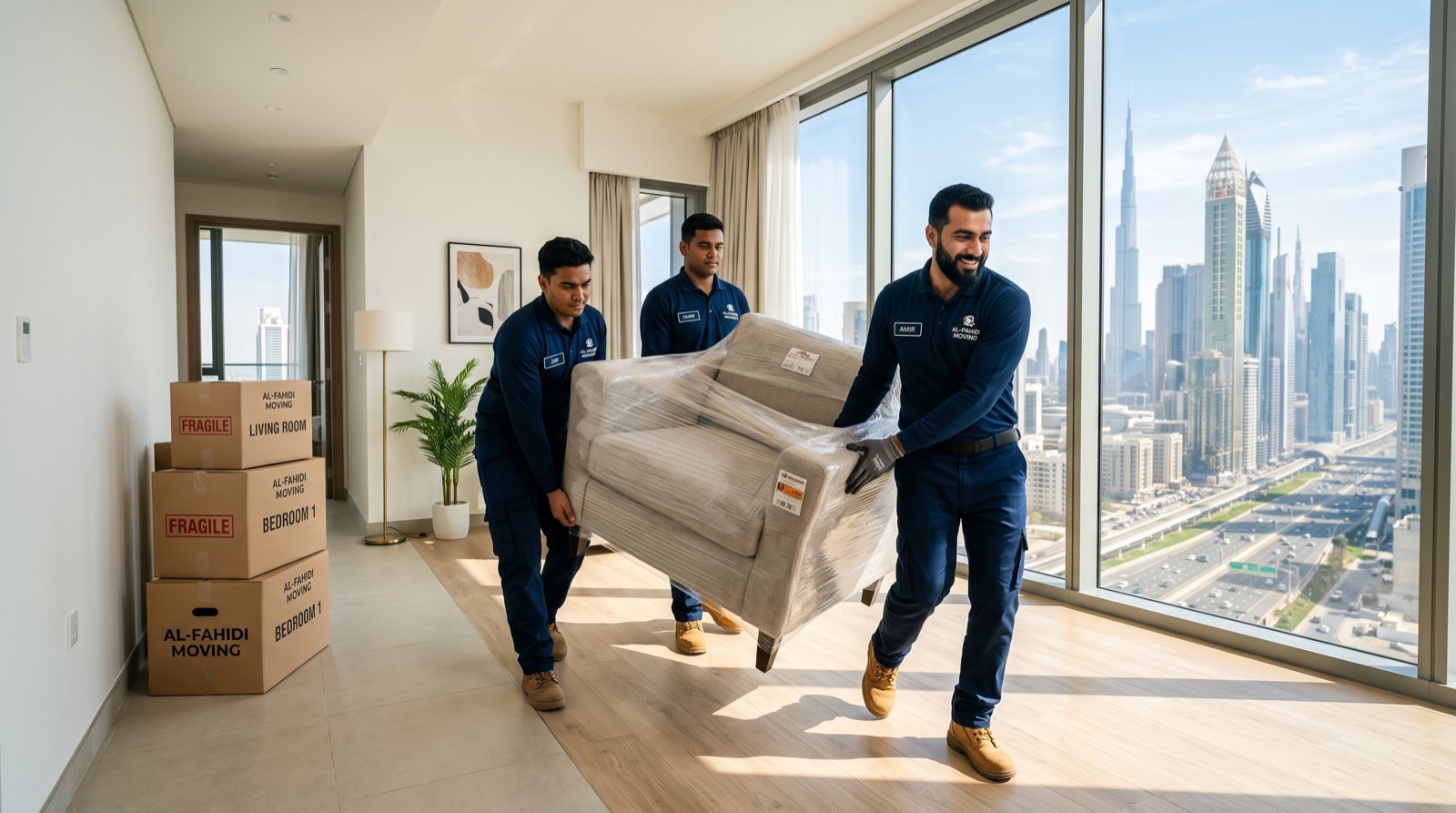

How to Avoid Moving Scams in Dubai and the UAE: Spot Fake Movers and Protect Your Money
Relocating across Dubai, Sharjah, Abu Dhabi, or Ajman should feel like a fresh start, not a financial trap. Yet in 2026, rogue operators posing as professional relocation firms still catch out residents every month. They win your trust with a low quote, then hold your belongings hostage until you pay far more than agreed.
The good news is that fake movers follow predictable patterns. Once you know the warning signs, you can spot them in minutes and hand your keys only to a company that deserves them. This guide walks you through the red flags, the classic scams, and the exact steps to verify a mover before a single box leaves your home.
Why Moving Scams Thrive in the UAE
The UAE has one of the most mobile populations on earth. Leases turn over quickly, expats arrive and leave constantly, and demand for movers spikes every quarter. That churn creates the perfect cover for opportunists.
Many victims are new arrivals who do not yet know how the market works. They compare prices online, pick the cheapest name, and pay a deposit to a number on WhatsApp. By the time the truck arrives, the “company” has no office, no trade licence, and no intention of honouring the quote. Understanding this backdrop is the first step toward protecting yourself.
The Warning Signs of Rogue Movers
Legitimate relocation firms operate transparently. Scammers cut corners at every turn, and those corners leave clues. Watch for these red flags before you commit.
- No physical office address, only a mobile number or a social media page.
- A quote given over the phone without any survey of your home or inventory.
- Pressure to pay a large cash deposit immediately to “lock in” the date.
- No written contract, or a contract with no company stamp and no trade licence number.
- Prices that sit dramatically below every other estimate you received.
- Reluctance to share a trade licence, VAT number, or insurance details.
- Reviews that are all five stars, posted on the same day, with generic wording.
One red flag might be an oversight. Two or more together mean you should walk away and keep searching. Reputable teams such as these movers and packers in Ajman are happy to prove their credentials on request.
Common Moving Scams to Watch For
Fraud in the relocation industry tends to fall into a handful of well-worn scripts. Recognising them helps you react calmly instead of panicking on moving day.
The Hostage-Load Scam
This is the most damaging one. Your belongings are loaded onto the truck, and then the driver refuses to unload them at your new address until you pay a sudden surcharge. Because your entire life is inside that vehicle, many people feel forced to pay. A written, itemised contract signed before loading is your best defence.
The Lowball Quote Trap
An unusually cheap price is bait. Once your goods are packed, the mover “discovers” extra charges for stairs, distance, packing materials, or heavy items. The final bill can double or triple. If a quote looks too good to be true in the UAE market, it almost always is.
The Deposit Vanish
You transfer a hefty deposit to secure a date, and the company simply disappears. The phone stops working and the social page is deleted. This is why you should never pay large sums in advance to an unverified party.
How to Verify a Mover’s Licence Before You Book
Verification is not complicated, and it takes less than an hour. Every genuine moving company in the UAE holds a valid trade licence issued by the relevant emirate’s economic department. Follow these steps in order.
- Ask for the full company name and trade licence number in writing.
- Confirm the licence activity actually covers “relocation” or “furniture transport,” not just general trading.
- Check the licence status through the issuing authority. Dubai residents can verify a business through the Dubai Department of Economy and Tourism, which lets you confirm that a trade licence is real and active.
- Request proof of goods-in-transit insurance and read what it covers.
- Search the company name alongside words like “scam” or “complaint” and read what past customers report.
- Insist on a home survey and a signed, itemised quotation before paying anything.
A mover that passes every step has earned your booking. Firms offering specialist services, such as these furniture movers JVC, should welcome this scrutiny rather than resist it.
Safe Payment Practices That Protect Your Money
How you pay matters as much as who you pay. Cash leaves no trail and is impossible to reverse, which is exactly why scammers prefer it.
Use these habits to keep your money safe:
- Keep any deposit small, ideally under 20 percent, and only after a contract is signed.
- Pay through a bank transfer or card so there is a record of the transaction.
- Never hand over the full balance until your goods are safely delivered and checked.
- Get every price, surcharge, and delivery date written into the contract.
Below is a quick side-by-side to help you judge a company at a glance.
| Red Flags (Likely Scam) | Trustworthy Signs (Safe to Book) |
|---|---|
| Quote given without seeing your home | Free survey before quoting |
| Large cash deposit demanded upfront | Small deposit, paid by bank transfer after contract |
| No trade licence shared | Valid, verifiable trade licence provided |
| Price far below the market | Fair, itemised, all-inclusive quote |
| Only a WhatsApp number, no office | Registered office and insurance on record |
What Should You Do If You Have Been Scammed?
If a mover has already trapped you, act quickly and keep calm. First, gather every piece of evidence you have: the contract, chat messages, payment receipts, and photos of your goods and the vehicle. This paper trail is powerful.
Next, file a formal complaint with the economic department of the emirate where the company is licensed. You can also raise the issue with your bank if you paid by card, and report the incident to the police if your belongings are being withheld. Do not pay any new “release fee” without documenting it first.
Finally, leave an honest, factual review so the next family does not fall into the same trap. Your experience becomes someone else’s warning. For future moves, lean on reliable local experts who have a proven, verifiable track record.
Frequently Asked Questions
How much deposit is normal for a mover in Dubai?
A modest deposit of 10 to 20 percent, paid only after you receive a signed contract, is reasonable. Any demand for a large upfront cash payment before paperwork exists is a serious warning sign.
Can I check if a moving company is licensed in the UAE?
Yes. Ask for the company’s trade licence number and verify it through the relevant emirate’s economic department. Legitimate movers share this information without hesitation because it builds trust.
What is a hostage-load scam and how do I avoid it?
It is when a mover loads your belongings and then refuses to deliver them until you pay extra. Avoid it by signing an itemised contract that fixes the total price and delivery terms before anything is loaded.
Is the cheapest quote always a scam?
Not always, but an extreme lowball price usually hides surprise charges added later. Compare several quotes, favour fair and transparent pricing, and be cautious of any figure far below the rest.
Conclusion: Move With Confidence
Moving scams in Dubai and the wider UAE succeed on speed and secrecy. Slow the process down, ask for a trade licence, insist on a written contract, and pay in traceable instalments, and you strip a fraudster of every tool. In 2026 the safest move is an informed one.
Before you book, verify the company, read real reviews, and trust your instincts. Ready to relocate the safe way? Choose a licensed, transparent moving partner today and protect both your belongings and your money.